AGP Executive Report
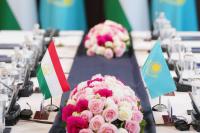
Last update: 8 hours agoBorder Security: The CSTO says weapons and equipment from Kyrgyzstan, Kazakhstan, Russia and Belarus are planned for Tajikistan’s Afghan border within three years. The program runs through 2029; delivery details remain undisclosed. Government Changes: President Emomali Rahmon appointed officials across several ministries, ordered faster digitization of government work and submitted nominees for election commission posts to parliament. Migration Policy: A new law creates ratings for overseas employers and offers returning workers support, as well as online job listings and electronic contracts for Tajik migrants. Regional Ties: Tajikistan and Kazakhstan are due to hold their 20th economic cooperation commission meeting in Dushanbe on Oct. 27, with trade and other bilateral issues on the agenda. Digital Development: A Dushanbe forum is discussing 5G deployment and a national technology strategy under the communications plan through 2040. Investment: An Oman-led group is preparing a $500 million fund for Central Asia and the Caucasus, with Tajikistan among its target markets and energy, mining and logistics among priority sectors.
Note: AI summary from news headlines; neutral sources weighted more to help reduce bias in the result. Feedback is welcome. Please let us know if you have any comments or suggestions about the AGP Executive Report.
 Perspectify News