
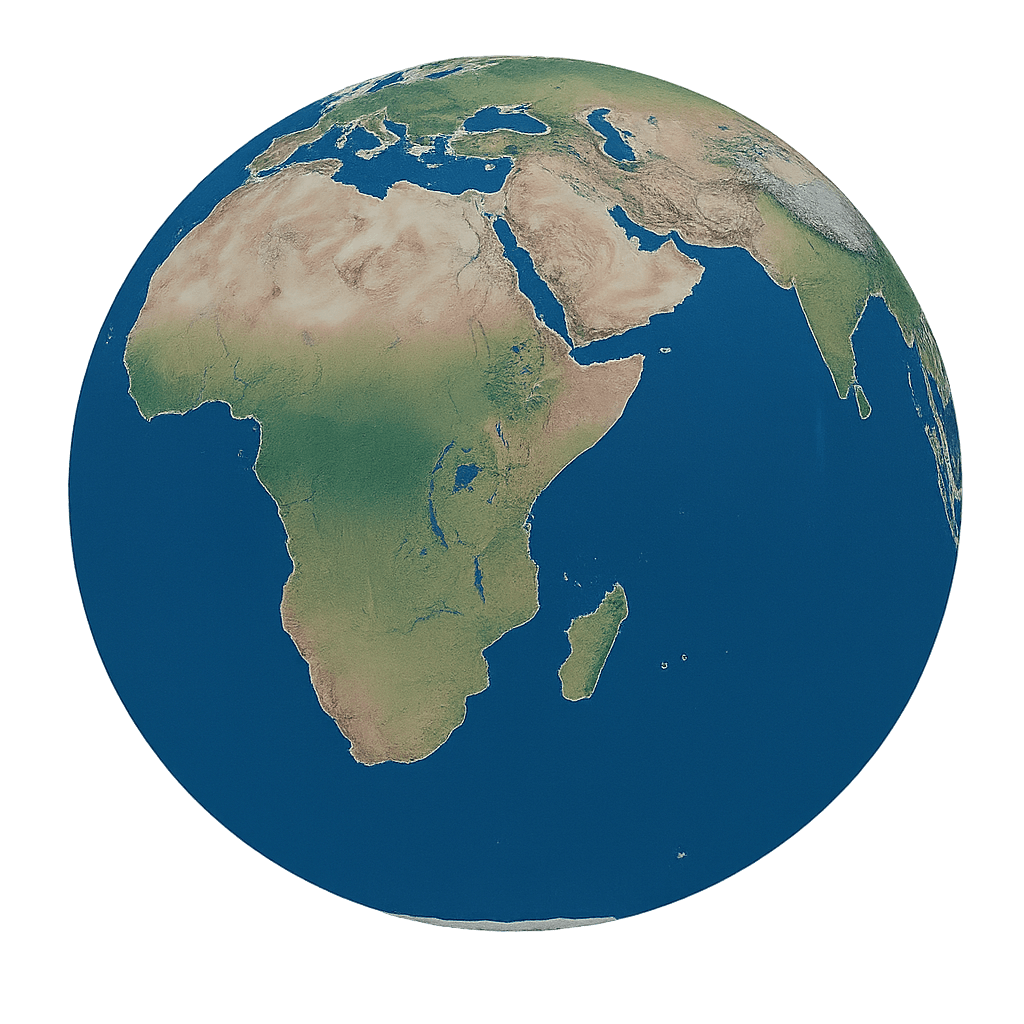
SCO Summit Diplomacy: Tajik President Emomali Rahmon arrived in Bishkek for the SCO Heads of State Council and “SCO Plus,” as Kyrgyzstan chairs the bloc in 2026 and the 25th anniversary summit gets underway. Iran–India Outreach: Iranian President Masoud Pezeshkian landed in Bishkek and is set for a key sideline meeting with PM Narendra Modi, with talks also planned with Russia and Tajikistan amid the West Asia crisis. India–Russia Talks Expected: Modi is in Kyrgyzstan for the summit and is scheduled to meet Vladimir Putin on the sidelines, with discussions expected to cover bilateral ties and regional security. Pakistan’s Role in Focus: PM Shehbaz Sharif arrived for a three-day visit, will address the SCO summit, and is set to take Pakistan’s 2026-2027 chairmanship of the Council of Heads of State. China Pushes Business Linkages: China’s trade promotion body (CCPIT) said it is stepping up SCO business cooperation, including supply-chain projects, matchmaking, and commercial legal services. Tajik–Malaysia Economic Drive: Tajikistan’s ambassador to Malaysia said Dushanbe wants deeper Malaysian investment, especially in renewables, agriculture, textiles, halal products, and digital technology. Defense Signaling in the Region: Uzbekistan publicly displayed Chinese J-10CE fighter jets, reinforcing its status as a second confirmed export customer after Pakistan.
AGP Executive Report
Your go-to archive of top headlines, summarized for quick and easy reading.
Note: AI summary from news headlines; neutral sources weighted more to help reduce bias in the result. Feedback is welcome. Please let us know if you have any comments or suggestions about the AGP Executive Report.
SCO Summit Diplomacy: Leaders are converging on Bishkek for the SCO’s 25th anniversary, with Xi Jinping arriving as Russia’s Vladimir Putin prepares a packed set of bilateral meetings alongside India’s Narendra Modi, Iran’s Masoud Pezeshkian, and Turkey’s Recep Tayyip Erdogan—signaling Moscow’s push to balance Western pressure through deeper Eurasian ties. India-Central Asia Focus: Modi’s Bishkek arrival comes after talks in Uzbekistan, and he is set to stress “security, connectivity and opportunity” while also attending the World Nomad Games opening—an effort to translate SCO membership into practical regional cooperation. Tajikistan in the SCO Orbit: Tajik President Emomali Rahmon is among the expected heads of state, while China-Tajik health cooperation under SCO-linked frameworks highlights medical equipment, training, and treatment programs. Regional Security Watch: Separate reporting flags instability spilling from Afghanistan, including a civilian death in Badakhshan tied to Taliban infighting—raising cross-border risk concerns for Tajikistan and neighbors. Digital Expansion: The Digital Cooperation Organization approved eight new members and Tajikistan’s associate membership, pointing to broader data and tech cooperation beyond traditional blocs.
SCO Summit Watch: Tajik President Emomali Rahmon is set to attend the Shanghai Cooperation Organization’s Sept. 1 Bishkek summit and “SCO Plus,” with leaders including Putin, Xi, Modi, Erdogan and Uzbekistan’s Mirziyoyev—an agenda expected to blend security, connectivity and regional diplomacy. Digital Expansion: The Digital Cooperation Organization approved eight new member states (Albania, Azerbaijan, Kazakhstan, Kenya, Lebanon, Palestine, Syria, Zambia) and named Tajikistan an associate member, signaling a push to shape new rules on data, AI and cross-border trade. Tajik-Oman Ties: In Dushanbe, Tajik Prime Minister Kokhir Rasulzoda met Oman’s foreign ministry undersecretary for political affairs as both sides reviewed cooperation and discussed expanding investment, trade and cultural links. Afghanistan Spillover: In Badakhshan, a civilian was killed in clashes between two Taliban officials over a fishing dispute, underscoring internal frictions that could worsen cross-border risks for Tajikistan. Afghan Energy: Afghanistan inaugurated a power network in Paktia to supply over 1,000 households, still reliant on electricity imports from neighbors including Tajikistan. ICC Under Pressure: A new report says the ICC is fighting for survival after arrest-warrant moves against major powers triggered sanctions and political pushback, including refusals by Mongolia and Tajikistan to arrest Putin.
SCO Summit in Bishkek: Leaders of 17 countries and UN chief António Guterres will gather for the Sept. 1 Shanghai Cooperation Organisation summit and the “SCO Plus” meeting, with Xi Jinping, Vladimir Putin, Narendra Modi, Emomali Rahmon and others expected to attend. Putin’s Diplomacy Push: On the sidelines, Putin is set for nine bilateral meetings, including with Tajik President Rahmon, as Moscow tries to keep ties with major Asian partners amid outside pressure. China’s “Shanghai Spirit” & Media Outreach: Ahead of the summit, Xi is promoting the SCO’s “Shanghai Spirit” and a multilingual TV program, “Classics Quoted by Xi Jinping,” is set to air across SCO states. Digital Cooperation Expansion: The Digital Cooperation Organization approved eight new member candidates (Albania, Azerbaijan, Kazakhstan, Kenya, Lebanon, Palestine, Syria, Zambia) and confirmed Tajikistan as an associate member, aiming to broaden digital rules on data, AI and cross-border trade. Tajik-Omani Consultations: Tajik Prime Minister Kokhir Rasulzoda met Oman’s political undersecretary Sheikh Khalifa Al Harthy for the third round of political consultations, focusing on investment, trade and wider cooperation. CSTO Border Support: CSTO says member states agreed to supply military equipment to strengthen Tajikistan’s Afghanistan border, with first shipments expected this autumn.

SCO Summit in Bishkek: Leaders are set to converge in Kyrgyzstan on Sept. 1 for the SCO Heads of State meeting and “SCO plus” format, with Xi, Putin, Modi, Rahmon and others expected, and a Bishkek Declaration among the likely outcomes. Putin’s Sideline Diplomacy: Putin’s Bishkek trip is also packed with bilateral talks, including with Xi and Modi, plus meetings with regional leaders as the bloc marks its 25th year. Regional Security Focus: CSTO says it has agreed to supply military equipment to strengthen Tajikistan’s border with Afghanistan, with first shipments expected this autumn. India’s SCO Strategy: India signals it will engage the SCO as an institution even after Pakistan takes chairship in 2027, while keeping bilateral decisions separate over terrorism concerns. Digital Cooperation Push: The DCO approved eight new countries for membership and welcomed Tajikistan as an associate member, aiming to expand rules and cooperation in digital trade and AI. Tajikistan Heritage Find: Tajikistan announced a newly discovered 9th–12th century architectural monument in Dangara, with preservation and study now underway. Tourism Planning: Tajikistan adopted a 2027–2030 action plan for tourism development through 2030, backed by $29.5m and including the “E‑Mehmon” system.
Border Security: CSTO says it will ship military equipment to strengthen Tajikistan’s border with Afghanistan, with first deliveries expected this autumn. SCO Summit Watch: Leaders including Xi, Modi and Putin will converge on Bishkek for the SCO’s 25th anniversary summit on Sept. 1, with talks expected to cover Ukraine, the Black Sea, regional conflicts and trade/transport links. Tajikistan Diplomacy: Tajikistan’s deputy foreign minister pushed practical water cooperation at World Water Week in Stockholm and flagged Dushanbe’s role in preparations for the 2028 UN Water Conference. Tajikistan Domestic Policy: The government adopted a 2027-2030 tourism action plan worth about $29.5m, including safety, workforce and promotion measures. Infrastructure & Economy: Tajikistan broke ground on a new 1.2Mta cement plant in Khatlon to ease shortages and price pressure. Culture & Heritage: A 9th-12th century monument was discovered in Dangara’s Gargara village, with preservation and research now underway. Regional Crime/Justice: Kyrgyz prosecutors move cases against members of a banned Adventist group toward trial, signaling continued pressure on religious communities.
SCO Summit in Bishkek: Leaders from the SCO’s 10 member states are set to arrive in Bishkek on Sept. 1 for the bloc’s 25th anniversary summit, expected to produce a Bishkek Declaration and a set of security, economic integration, transport and digitalization decisions, with Tajikistan among the participants. India’s SCO balancing act: Ahead of the summit, India says it will engage the SCO “as an entity” even after Pakistan takes the chair in 2027, while keeping bilateral engagement decisions separate due to terrorism concerns. Tajikistan tourism push: Dushanbe has approved a $29.5m tourism action plan through 2030, with 37 measures spanning infrastructure, safety, workforce capacity, and promotion, including the “E‑Mehmon” system. Tajikistan infrastructure drive: President Rahmon has broken ground on a new 1.2Mta cement plant in Khatlon, part of a wider effort to expand capacity and stabilize prices. Afghan drug route disrupted: Kyrgyz security services detained members of an international drug trafficking network moving illegal substances from Afghanistan via Tajikistan, arresting two Kyrgyz citizens and seizing 1.1 kg of narcotics.
Tourism Push: Tajikistan approved a $29.5M (273.4M somoni) tourism action plan for 2027-2030, with 37 measures spanning infrastructure, safety, workforce training, and the “E‑Mehmon” visitor system; the Tourism Development Committee must report progress by March 1. SCO Diplomacy: India says it will engage the Shanghai Cooperation Organisation as an institution even after Pakistan takes the chair in 2027, while handling Pakistan bilaterally case-by-case; the Bishkek summit on Aug 31–Sep 1 is set to bring major leaders, including Xi Jinping and Modi. Regional Connectivity: Tajikistan’s neighbors keep betting on cross-border routes as China-Kyrgyzstan-Uzbekistan transport links speed up trade, while fuel disruptions push Central Asia to seek alternatives beyond Russia. Industry & Jobs: Rahmon broke ground on a new 1.2Mta cement plant in Khatlon, aiming to ease shortages and stabilize prices by expanding domestic capacity through 2029. Bilateral Talks: Tajikistan and South Korea discussed preparations for a “Central Asia – Republic of Korea” summit, signaling more cooperation on the regional agenda.
Infrastructure Push: President Emomali Rahmon laid the foundation stone for a new 1.2Mta cement plant in Khatlon’s Kushoniyon district, part of a drive to cut shortages and stabilize prices; the project by Sementi Khatlon is set to finish by 2029 and is expected to create 700+ permanent jobs. Regional Expertise Links: Turkmenistan and Tajikistan agreed to deepen cooperation between their strategic studies and analytical centers, including plans for a joint scientific conference tied to Turkmenistan’s independence anniversary. Tourism Strategy: Tajikistan adopted a 2027–2031 Domestic Tourism Development Program, aiming to grow domestic travel, upgrade hospitality, protect heritage, and leverage the country’s landscapes; officials cite 2.4 million foreign visitors in 2025 as momentum. Digital Governance: Tajikistan is moving toward an integrated national digital system for public services, with the president directing electronic coordination and system integration. Security Watch: Reports warn that fighting in Afghanistan’s Badakhshan is increasing cross-border risks for Tajikistan and could affect Uzbekistan’s transit interests. Energy Reality Check: Construction progress continues at Rogun hydropower (Lot 2 raised to 1,155m), while coverage also highlights how fuel supply disruptions from Russia are rippling through the region.
Tourism Push: Tajikistan adopted a 2027–2031 Domestic Tourism Development Program, aiming to grow domestic travel, upgrade hospitality, protect heritage, and showcase alpine landscapes; officials cite 2.4 million foreign visitors in 2025. Diplomatic Ties: Belarus’ new ambassador, Aleksandr Khudoleev, presented credentials to Tajik FM Sirojiddin Mukhriddin as both sides pledged to deepen a strategic partnership and boost trade. Regional Security Watch: Reports on Badakhshan fighting in northeastern Afghanistan raise cross-border risks for Tajikistan and Uzbekistan, with armed incidents involving groups opposed to the Taliban. Infrastructure & Power: Webuild says it has raised Rogun Dam to 1,155m, enabling a further 40m reservoir rise and boosting output under a $2.3bn Lot 2 contract. Digital Governance Debate: Tajikistan continues building an integrated national digital system for public services, framed as a shift from separate online services to unified state information coordination. International Spotlight: Xi Jinping will attend the SCO summit in Bishkek next week, underscoring the bloc’s security and development agenda.
Digital Governance Push: President Emomali Rahmon chaired the first session of the Council for the Development of the Digital Economy, ordering tighter electronic coordination of public services and integration of state information systems—aimed at letting citizens submit data once while reducing paperwork and repeated requests. Rogun Progress: Webuild says Rogun Dam has reached 1,155m elevation, with more storage and generation capacity coming as construction continues on the 3,600MW project. Afghan Border Assurance: Afghanistan’s Taliban spokesman Zabihullah Mujahid told Tajikistan no military activity will be allowed along the Afghanistan–Tajikistan border, after a reported clash tied to illegal entry and drug trafficking. Regional Energy Shock: Central Asia’s fuel crunch remains tied to Ukrainian strikes on Russian refineries and Moscow’s export limits, leaving Tajikistan and Kyrgyzstan scrambling for supplies. SCO Spotlight: Chinese President Xi Jinping is set to attend the SCO summit in Bishkek (Aug 30–Sep 3), with the bloc’s 25th anniversary agenda centered on security, connectivity, and economic cooperation. Diplomatic Moves: Tajik FM Sirojiddin Muhriddin met Belarus’s new ambassador and UN preventive diplomacy officials in Ashgabat to discuss cooperation on modern threats and peace-building.
Central Asia Power Politics: Kazakhstan and Kyrgyzstan continue trading blame over the Aug. 14 blackout, with Kazakhstan’s energy officials pointing to Toktogul HPP shutdowns in Kyrgyzstan while Bishkek disputes direct responsibility; a Kazakhstan government commission is expected to deliver the final call. Tajikistan Infrastructure: Rogun Dam construction hit a new milestone as Webuild raised the dam to 1,155m, aiming to boost reservoir storage and generation capacity while work continues on the main 335m structure. Regional Security & Borders: CIS border guards held a joint anti-sabotage drill in Russia’s Leningrad region, focused on stopping reconnaissance groups and repelling armed incursions. Diplomacy in Dushanbe’s Orbit: Tajik FM Sirojiddin Muhriddin met Belarus’s new ambassador and UN preventive diplomacy officials, discussing cooperation and threats. Afghanistan–Tajikistan Border: Kabul’s Mujahid says no military activity will be allowed along the Afghanistan–Tajikistan border, after a reported clash tied to alleged drug trafficking. SCO in the Spotlight: Ahead of the Aug. 31–Sept. 1 Bishkek summit marking the SCO’s 25th anniversary, security, cybercrime, and connectivity are set for the agenda. Kazakhstan Domestic Politics: Kazakhstan’s pro-government Adilet Party won 71% in parliamentary elections, with OSCE monitors citing weak opposition and further strengthening President Tokayev’s authority.
Kazakhstan Energy Crunch: Prime Minister Olzhas Bektenov ordered the Ministry of Energy to prevent repeat blackouts in the south after an outage tied to power transfers from the Central Asian unified grid, as officials push new generation and grid upgrades including new plants in Almaty and a 500 kV line to strengthen supply. Afghan Border Security: Taliban spokesman Zabihullah Mujahid told Tajikistan there will be no military activity along the Afghanistan–Tajikistan border after a reported clash tied to illegal entry and drug trafficking. Fuel Shock in Central Asia: Ukrainian drone strikes on Russian refineries are driving fuel shortages and price spikes across Kyrgyzstan and Tajikistan as Moscow restricts exports, exposing how dependent the region remains on Russian petroleum. Tajikistan’s State Projects: Tajikistan inaugurated its long-delayed National Theater in Dushanbe after 11 years, positioning it for performances, concerts, and international cultural events. Regional Politics Watch: Kazakhstan’s pro-government Adilet Party won a landslide in parliamentary elections, with OSCE monitors citing limited opposition and the vote further consolidating President Tokayev’s authority. SCO Focus: Ahead of the Bishkek summit, India’s role in the Shanghai Cooperation Organisation is highlighted around security, cybercrime, connectivity, and economic cooperation.
National Culture & State Capacity: Tajikistan inaugurated its National Theater in Dushanbe after 11 years of construction, with President Emomali Rahmon and Dushanbe mayor Rustam Emomali attending; the venue is set to host performances, opera, ballet, symphony concerts, festivals, and international cultural events, timed to the 35th anniversary of independence. Border Security: Afghanistan’s Islamic Emirate spokesman Zabihullah Mujahid told Tajikistan there will be no military activity along the Afghanistan–Tajikistan border, framing recent incidents as controlled and linked to smugglers rather than serious clashes. Regional Energy Pressure: Ukrainian drone strikes on Russian refineries are driving fuel shortages and price spikes across Central Asia, hitting Kyrgyzstan and Tajikistan hard as Russia restricts exports to protect domestic supply. SCO Diplomacy: India’s role in the Shanghai Cooperation Organisation is set to gain renewed focus ahead of the Bishkek summit marking the bloc’s 25th anniversary, with terrorism, cybercrime, connectivity, and economic cooperation on the agenda. Bilateral Labor Links: Tajikistan’s ambassador to Qatar met Qatar’s labor minister to discuss expanding cooperation in the labor sector.
Fuel-Tourism Shock: A viral “fuel tourism” trend is driving Russians to Kazakhstan for petrol as Ukraine-linked attacks strain supplies, with Kazakhstan’s export ban and border crackdowns failing to stop smuggling attempts. SCO at 25: Kyrgyzstan is set to host the Shanghai Cooperation Organisation summit in Bishkek marking its 25th anniversary, with India and others pushing for practical outcomes beyond security talk. Turkmenistan–Tajikistan Diplomacy: Turkmen and Tajik foreign ministers held political consultations in Ashgabat, stressing trade, energy, transport, and cultural ties, while Tajik FM Sirojiddin Muhriddin met President Serdar Berdimuhamedov. Tajikistan Sports & State Capacity: Tajikistan inaugurated a new 30,000-seat national stadium, signaling continued investment in public infrastructure and national visibility. Labour Links: Tajikistan’s ambassador and the US charge d’affaires met Tajikistan’s labour minister counterparts abroad to discuss expanding labour-sector cooperation. Central Asia Security Watch: Taliban officials say there’s no serious threat along the Afghanistan–Tajikistan border, pointing to smuggling as the main driver of recent incidents. US Scrutiny of Fiscal Openness: The US ranked only Kazakhstan and Kyrgyzstan as meeting minimum fiscal transparency standards, leaving Tajikistan outside the “progress” tier.
IMMAF Youth Championships: The UAE closed the Abu Dhabi meet with a record 19 medals (six gold), while Tajikistan finished third overall—another youth-sport signal for Dushanbe’s regional profile. SCO Diplomacy: Reports say India’s Modi may visit Uzbekistan (Aug 28) then Kyrgyzstan for the SCO summit in Bishkek (Aug 31–Sep 1), where Tajikistan sits at the table of a 10-member bloc. Labour Links: Tajikistan’s ambassador and the US charge d’affaires met Qatar’s labour minister, underscoring continued attention to labour-sector cooperation. Afghan Border Security: Taliban spokesperson Zabihullah Mujahid denied a serious threat along the Afghanistan–Tajikistan border, while Tajik and international warnings keep travel risk in focus. US Embassy Warning: The US urged citizens to avoid Afghanistan-adjacent border areas, including GBAO, after stray gunfire killed a Tajik resident. Cyber Espionage: Researchers flagged the “SilkParasite” campaign targeting Central Asian government bodies, including Tajikistan, raising new governance and security concerns. Turkmen-Tajik Talks: Foreign ministers met in Turkmenistan, highlighting trade, energy, transport, and cultural cooperation. Sports Calendar: Tashkent hosts the III Open Championship of Central Asia in Athletics (Aug 23–25), with Tajik athletes among the field. Governance Shock (US): A Virginia case involving a Tajik national accused of a 2019 killing and later escape to Tajikistan has reignited scrutiny of custody and court-ordered release procedures.
Tajikistan–China Trade & Aid Talks: Dushanbe’s transport ministry met China’s ambassador to push implementation of leader-level deals aimed at easing trade and humanitarian exchanges, with a “shared destiny” framing. New Infrastructure Spotlight: Tajikistan opened a new 30,000-seat national stadium, with President Rahmon calling it a “worthy gift,” underscoring state investment in public facilities. Regional Security & Border Risk: The U.S. Embassy in Dushanbe urged Americans to avoid Afghanistan-adjacent border areas, citing clashes in Badakhshan and a Tajik death from stray gunfire. Cybersecurity: Bitdefender reported the SilkParasite cyberespionage campaign targeting Central Asian government bodies, including Tajikistan, using tailored phishing lures and multiple remote-access tools. Energy Pressure: Tajikistan asked Iran for 2.55 million tons of crude and fuels as Russian supply reliability falters, while talks with Turkmenistan continued on strategic partnership and trade. Governance & Law: CIS deputy prosecutors met in St. Petersburg to discuss joint asset-recovery measures and an international treaty concept.
New National Stadium: Tajikistan inaugurated a new 30,000-seat national stadium in Dushanbe, with President Emomali Rahmon calling it a “worthy gift” and the FIFA-compliant pitch set for international matches. Tourism Policy: Dushanbe approved a new Tourism Fund to back tourism infrastructure, training, and service quality, financed through taxes on tour packages and visitor fees. Fuel Security: Tajikistan asked Iran for 2.55 million tons of crude and petroleum products as Russian supplies falter, with talks held in Tehran but no delivery timetable set. Regional Diplomacy: Tajikistan and Turkmenistan held foreign-minister consultations in Turkmenistan, stressing trade, energy, transport, and cultural cooperation. Cybersecurity: A China-nexus-linked cyberespionage campaign (“SilkParasite”) targeted Central Asian government bodies, including Tajikistan, using phishing lures and remote-access malware. Border Safety Warning: The U.S. Embassy in Dushanbe urged Americans to avoid Tajik-Afghan border areas, citing violence in Badakhshan and stray-gunfire incidents on the Tajik side. International Justice/Travel: A Tajik national accused in a Virginia stabbing case fled the U.S. after being granted insanity-related travel and help obtaining a passport.
Tajik-Afghan Border Safety: The U.S. Embassy in Dushanbe urged Americans to avoid border areas of Tajikistan adjacent to Afghanistan, citing clashes in Badakhshan and a fatal stray-gunfire incident in GBAO. Energy Security: Tajikistan asked Iran to supply 2.55 million tons of crude and fuel products as Russian deliveries falter, with talks held in Tehran but no deal or timetable announced yet. Cybersecurity: Bitdefender reported “SilkParasite,” a China-nexus cyberespionage campaign using tailored government-themed lures and multiple remote-access malware families to target economic decision-making institutions across Central Asia, including Tajikistan. Diplomacy (Turkmenistan-Tajikistan): Foreign ministers in Ashgabat reviewed expanding strategic cooperation and signed a 2027–2028 cooperation program, highlighting UN work, trade, energy, transport, and cultural ties. Regional Connectivity Politics: Azerbaijan’s Aliyev called Azerbaijan and Uzbekistan “natural partners” for East-West routes, pointing to rail and corridor projects that could reshape transit across the region. Media/NGO Funding Watch: A Central Asia-focused media funding discussion highlighted how donor dependence and capture pressures independent journalism.
Tajikistan–Turkmenistan Diplomacy: Foreign ministers Sirojiddin Muhriddin and Rashid Meredov met in Ashgabat and signed a 2027–2028 cooperation program, with talks covering energy, transport, communications, agriculture, trade, investment, and cultural-humanitarian plans. U.S. Border Warning: The U.S. Embassy in Dushanbe urged Americans to avoid Tajik-Afghan border areas, especially GBAO, after renewed violence in Badakhshan and a fatal stray-gunfire incident on Aug. 13. Fuel Crunch Meets Iran: Tajikistan asked Iran for 2.55 million tons of crude and petroleum products as Russian supplies falter, seeking oil, diesel, gasoline, and jet fuel—while U.S. threats of new Iran-related economic pressure hang over the deal. Cybersecurity Alarm: Bitdefender reported the SilkParasite cyberespionage campaign targeting government bodies across Central Asia (including Tajikistan), using tailored government-themed lures and multiple remote-access malware families, assessed as China-nexus activity. Tourism Policy: Tajikistan created a tourism fund to support infrastructure, training, and service quality, financed via tourism-related taxes, permits, and fines. Regional Security Context: Russia’s TASS chief said Moscow is conducting a “surgical operation” in Ukraine to avoid civilian harm, underscoring the wider security backdrop for the region.
Sign up for:
Dushanbe Politics Wire
The daily local news briefing you can trust. Every day. Subscribe now.
Check Your Email!
We sent a one-time activation link to: .
Confirm it's you by clicking the email link.
If the email is not in your inbox, check spam or try again.
Welcome back!
is already signed up. Check your inbox for updates.